Roofing and Roof Repairs: Expert Guide
Comprehensive guide on roofing and roof repairs, costs, signs, and choosing trusted contractors.
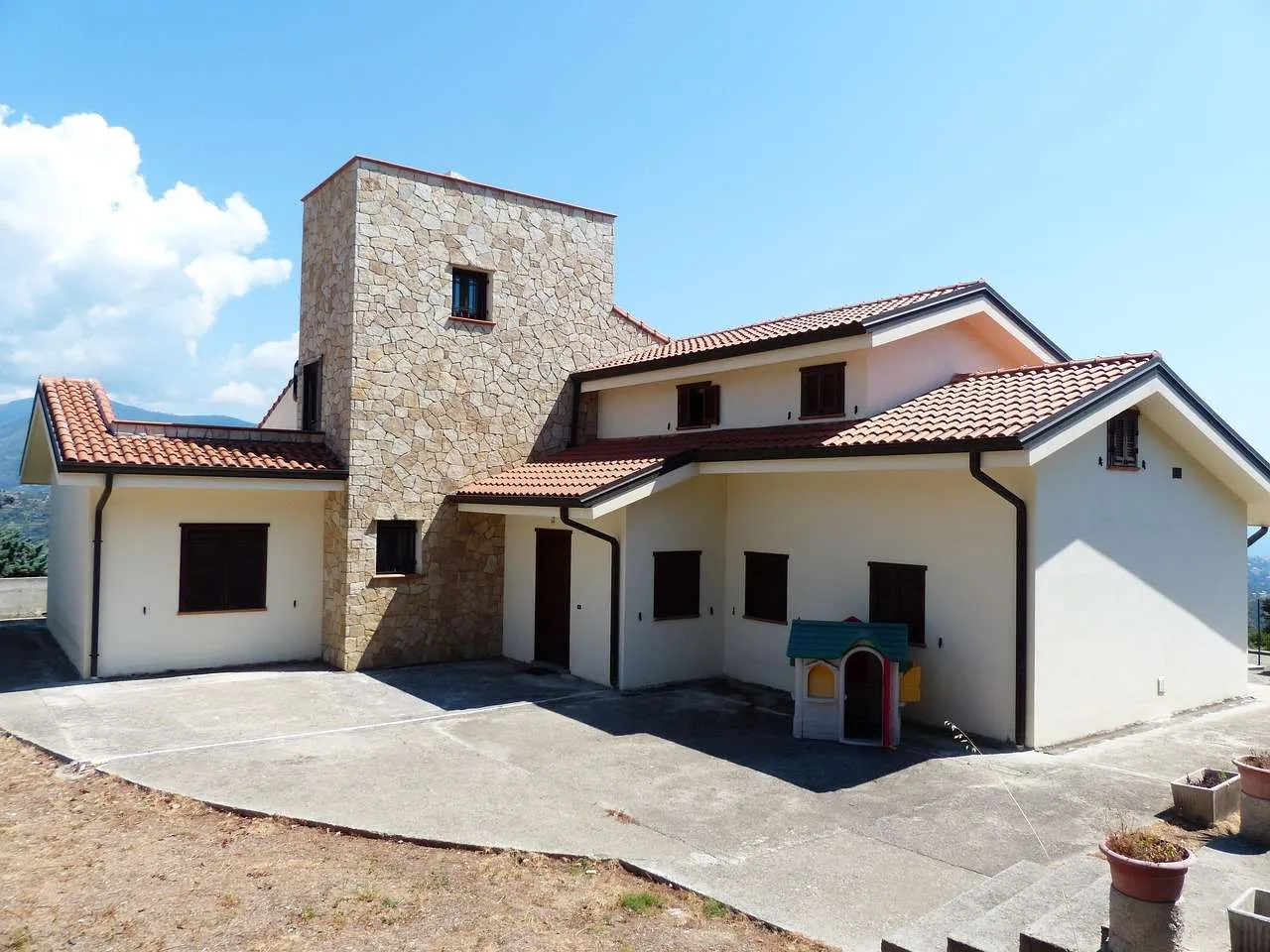
Roofing is a critical barrier against the elements, energy loss, and structural stress. Understanding roofing and roof repairs helps homeowners protect their investment and avoid costly surprises. This guide delivers expert, practical insights on how to spot problems early, evaluate repair versus replacement, estimate costs, and hire a trustworthy contractor with confidence.
Understanding Roofing Systems
Roofs come in a variety of materials, each with its own lifespans, maintenance needs, and repair considerations. Knowing your system helps you plan repairs that preserve performance and value.
Asphalt Shingles
Most homes use asphalt shingles for affordability and ease of replacement. They typically last 15–30 years, depending on climate and installation quality. Common roof repairs involve replacing damaged or curling shingles, resealing flashing, and fixing leaks at joints.
Metal Roofing
Metal roofs are durable and energy efficient, often lasting 40–70 years. Repair needs include addressing corrosion, loose fasteners, and worn coatings. Metal repairs can be more specialized but often offer faster service and longer intervals between major work.
Tile and Flat Roofs
Clay or concrete tiles provide distinctive aesthetics and strong weather resistance but can crack or loosen with movement. Flat roofs require careful drainage and membrane repairs to prevent pooling water and leaks. Each system has unique repair requirements and cost implications.
Signs You Need Roof Repairs
Early detection saves money and prevents interior damage. Look for these indicators after storms or seasonal changes:
- Visible leaks or water stains on ceilings and walls
- Curling, missing, or cracked shingles
- Granules in gutters or downspouts
- Sagging sections or daylight through the attic
- Ice dams, damp insulation, or musty attic odors
- Damaged flashing around chimneys, dormers, or vents
Repair vs Replacement: Making the Right Call
When damage appears, homeowners face a common decision: repair the existing roof or replace it. Several factors help determine the best choice.
Key Considerations
Age of the roof, extent of damage, and the cost-to-benefit ratio are primary drivers. If a 15-year-old roof has widespread issues, replacement may offer better long-term value than numerous small repairs. Conversely, a newer roof with a few localized leaks is typically repaired more cost-effectively.
| Option | Typical Cost Range | Impact on Lifespan | Pros | Cons |
|---|---|---|---|---|
| Roof Repair | $300–$1,500 per repair (varies by scope) | Preserves remaining roof life; partial restoration | Lower upfront cost; minimal disruption | Not ideal for aging or widespread damage; may lead to repeated fixes |
| Roof Replacement | $5,000–$25,000+ (material and size dependent) | New roof typically adds 20+ years of life | Eliminates chronic leaks; improved insulation and value | Higher upfront cost; longer project duration |
Other factors include local climate, roof slope, attic ventilation, and current warranties. A professional roofer can help you model scenarios: repair a limited area now to extend life, or replace when the prognosis for future reliability is poor.
How to Hire a Qualified Roofer
Choosing the right contractor is essential for EEAT—expertise, authority, and trust. Follow these steps to ensure you hire a reputable pro.
- Verify licenses and insurance. Confirm active workers’ compensation and liability coverage.
- Check references and review portfolios of similar projects.
- Ask about warranties on workmanship and materials (minimum 5–10 years for labor, manufacturer warranties for products).
- Get written estimates from at least three contractors and review the scope of work carefully.
- Assess communication, responsiveness, and safety practices on-site.
- Ensure proper permits are obtained when required by your locale.
Maintenance Tips to Extend Roof Life
A little ongoing care goes a long way toward preserving roof integrity. Consider these routine practices:
- Clean gutters and downspouts routinely to prevent water backing up to the edge.
- Trim overhanging branches to reduce impact and debris buildup.
- Inspect after major storms for damaged shingles or flashing.
- Ensure attic ventilation and insulation are adequate to prevent ice dams and moisture buildup.
- Schedule annual professional inspections to catch issues early.
Regular checks and timely repairs minimize the risk of interior damage, mold growth, and expensive water intrusion.
Conclusion, maintaining a healthy roof requires understanding your roofing system, recognizing warning signs, weighing repair versus replacement, and partnering with a trusted roofer. By following these guidelines, homeowners can protect their property, stay within budget, and ensure lasting performance from roofing and roof repairs.